
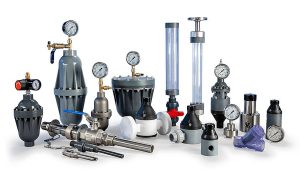
Fluid handling systems are marvels of engineering, designed to move liquids with precision and efficiency. In many industrial applications, however, the very nature of the pump can introduce a significant challenge: pulsation. Pumps, particularly positive displacement pumps like metering pumps, deliver fluid in a series of strokes, creating pressure spikes and surges. This pulsing action can be detrimental to the entire system, leading to equipment damage, inaccurate flow rates, and premature wear. Fortunately, a simple yet highly effective accessory exists to combat this problem: the pulsation dampener. Understanding how these devices work is crucial for anyone looking to optimize their fluid handling system.
The Problem with Pulsation
Imagine a pump delivering fluid in a series of distinct pushes. Each push sends a pressure wave through the piping. This pulsation is not only inefficient but also destructive. It causes vibration throughout the system, which can weaken pipe joints, damage sensitive instruments like gauges and flow meters, and create a noisy, unstable operating environment. Most importantly, it compromises the accuracy of chemical dosing. If a metering pump is supposed to deliver a precise volume with each stroke, a fluctuating pressure environment will make that impossible, leading to inconsistent and unreliable results. The key to solving these issues is to understand and apply a solution that effectively tames the flow.
A Simple Explanation of How Pulsation Dampeners Work
A pulsation dampener is a simple device that absorbs and releases fluid to smooth out pressure fluctuations. Most dampeners consist of a housing with a flexible diaphragm or bladder inside. One side of the diaphragm is in contact with the process fluid, while the other side is pre-charged with a compressed gas, such as air or nitrogen.
When a pump stroke occurs, the sudden increase in pressure forces the fluid against the diaphragm. The diaphragm flexes, compressing the gas on the other side. Thus absorbing the pressure spike. As the pump’s stroke cycle ends and the pressure in the line drops, the compressed gas expands, pushing the diaphragm back into its original position and forcing the absorbed fluid back into the line. This release of fluid fills the momentary pressure void created by the pump, effectively smoothing out the flow. This is the fundamental principle behind how pulsation dampeners work.
The Benefits of a Smooth Flow
The benefits of using a pulsation dampener are numerous and far-reaching. By eliminating pressure spikes and providing a continuous, steady flow, a dampener protects the entire fluid handling system. It reduces stress on pumps and piping, extending their operational life. It also ensures the accuracy of metering pumps, which is essential for consistent and reliable chemical dosing. A smooth flow also minimizes vibration and noise, creating a safer and more stable working environment. The overall efficiency of the system increases, leading to lower energy consumption and reduced maintenance costs. All these advantages stem from understanding how pulsation dampeners work to create a predictable and stable system.
Choosing the Right Dampener
Not all pulsation dampeners are the same. Selecting the right one for your specific application is crucial for achieving optimal results. The dampener must be correctly sized for the pump and system, taking into account factors like flow rate, pressure, and the characteristics of the fluid being handled. The materials of construction are also critical, as they must be compatible with the process fluid to prevent corrosion and premature failure. Choosing a high-quality, reliable dampener from a trusted manufacturer like Griffco Valve ensures that you get a product that is designed for your needs and built to last.
For many years, we have been a leader in manufacturing and supplying quality accessories for a wide range of fluid handling applications. Our expertise is rooted in understanding the challenges our customers face and providing solutions that solve them. We know how pulsation dampeners work to provide the stability and control necessary for efficient and safe operations. Our products are trusted for their performance, quality, and the reliable service we provide. We are committed to helping you optimize your systems for maximum productivity and longevity.
A fluid handling system without a pulsation dampener is like a car without shocks—it gets the job done, but it is a bumpy, inefficient, and potentially damaging ride. By incorporating a pulsation dampener, you are not only protecting your equipment and improving accuracy, but you are also investing in the long-term health and reliability of your entire operation. Therefore, it is a simple step that yields significant results, making it an essential component for anyone serious about the science of fluid handling.