
Pressure Relief Valves
Protect pumps, systems or tanks from over pressurization
Pressure Relief Valves protect from an upset condition (e.g. pressure spike, over pressurization, closed valve). Also known as safety valves, bypass valves, pump relief valves or pump safety valves.

| Series | Size | Maximum Flow Pulsating | Maximum Flow Continuous | Maximum Pressure |
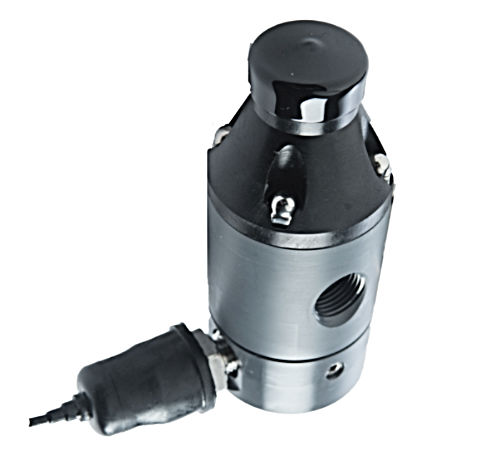
Pressure Switch
Standard Materials
- Polypropylene
- PVC
- CPVC
- PVDF
- PTFE
- Halar®
- 316L SS
- Alloy 20
- Hastelloy® C
Standard Connections
- Threaded
- Flanged
- Union
- Socket
Spring Ranges
- 0 to 50 psi (0 to 3.4 bar)
- 10 to 150 psi (0.7 to 10 bar) standard
- 10 to 250 psi (0.7 to 17 bar)
- 50 to 350 psi (3.4 to 24 bar)
Diaphragm Materials
- EPDM/PTFE (standard)
- FKM (Viton®)
- CSM (Hypalon®)
- PTFE/FKM
- Kalrez®
Configurations
- 3-port (up to 1″ or DN 25) standard
- 2-port 180°
- 2-port 90°
- Wall mount
Options
- Adjustment knob
- Metal tops
- Metal adjustment screw
- Material certifications
- M-Series – Small connections (1/4″ to 1/2″ or DN 8 to DN 15)
- G-Series – Medium to large connections (1/2″ to 4″ or DN 15 to DN 100)
- High Flow – High-flow connections (1/2″ to 2″ or DN 15 to DN 50)
- MP Series (Medium Pressure) – 100 to 800 psi (6.9 to 55 bar) (1/2″ to 1″ or DN 15 to DN 25)
- High Pressure – High Pressure up to 2,000 psi (138 bar) (1/4″ to 1″ or DN 8 to DN 25)
Variations and Options Include:
How a Pressure Relief Valve Protects Your Chemical Feed System
Metering pumps are positive displacement pumps. They keep pushing fluid even when the discharge line is blocked by a closed valve, a clogged injection quill or a plugged line. Pressure keeps building until something fails: tubing ruptures, a fitting cracks, the pump head is damaged, or chemical leaks.
A Griffco pressure relief valve sits on the pump discharge and opens at a set pressure. Excess flow goes back to the supply tank or pump suction until the upset clears, protecting the pump, the piping and the people working around it.
Pressure relief valves are also known as safety valves, bypass valves, pump relief valves and pump safety valves.
Griffco pressure relief valves protect pumps and fluid process systems from overpressurization. They are non-ASME pressure relief valves, available in 3-port (standard) or 2-port configurations.
Choosing the Right Griffco Relief Valve
| Series | Connection sizes | Maximum pressure | Best for |
|---|---|---|---|
| M-Series | 1/4″ – 1/2″ (DN 8 – DN 15) | 350 psi (24 bar) | Low-flow metering pumps |
| Unibody | 1/2″ – 1″ (DN 15 – DN 25) | 150 psi (10 bar) | Solid PVC or CPVC body with union connections. Well suited to leak-prone and viscous chemicals, and accommodates PFA tubing with flare fittings — a strong value choice for chemical feed skids. |
| G-Series | 1/2″ – 4″ (DN 15 – DN 100) | 250–350 psi (17–24 bar) | Medium to large flows |
| High Flow | 1/2″ – 2″ (DN 15 – DN 50) | 250 psi (17 bar) | Higher-flow systems, up to 270 GPM (61 m³/h) continuous |
| MP Series (Medium Pressure) | 1/2″ – 1″ (DN 15 – DN 25) | 100–800 psi (6.9–55 bar) | Higher-pressure flow |
| High Pressure | 1/4″ – 1″ (DN 8 – DN 25) | Up to 2,000 psi (138 bar) | High-pressure flow |
| PTFE Flanged | G-Series sizes | — | Aggressive chemicals; solid PTFE body |
| Pressure Switch | 1/4″ – 1″ (DN 8 – DN 25) | — | Relief valve with alarm switch |
Full flow ratings for pulsating and continuous service are in the table above.
Setting the Relief Pressure
Standard spring ranges:
- 0–50 psi (0–3.4 bar)
- 10–150 psi (0.7–10 bar) — standard
- 10–250 psi (0.7–17 bar)
- 50–350 psi (3.4–24 bar)
For service above 350 psi (24 bar), see the MP Series and High Pressure models in the selection table above.
The user determines the set point pressure. It should be set above the system’s normal operating pressure and below the pressure rating of the weakest component in the discharge line, whether that is the pump, tubing, fittings or the injection point. An optional adjustment knob makes field changes easy.
Materials Matched to Your Chemical
Body materials: polypropylene, PVC, CPVC, PVDF, PTFE, Halar®, 316L stainless steel, Alloy 20 and Hastelloy® C.
Diaphragm materials:
- EPDM/PTFE (standard)
- FKM (Viton®)
- CSM (Hypalon®)
- PTFE/FKM
- Kalrez®
Choosing the right combination for your chemical, concentration and temperature is critical. Your local Griffco distributor can help you select materials, and material certifications are available.
Configurations and Options
- Configurations: 3-port (standard, up to 1″ / DN 25), 2-port 180°, 2-port 90° and wall mount
- Connections: threaded, flanged, union and socket
- Options: adjustment knob, metal tops, metal adjustment screw, material certifications
- 3D CAD drawings are available for engineers and system designers.
Certifications and Country of Origin
Griffco pressure relief valves are manufactured in the USA under an ISO 9001 certified quality system. NSF/ANSI 61 certified configurations, CRN registrations and material certifications are available. Contact Griffco or your local distributor for certification on your specific model and material combination.
Frequently Asked Questions
What is the difference between a pressure relief valve and a back pressure valve?
A pressure relief valve opens only when pressure gets too high, to protect the system. A back pressure valve holds a steady pressure downstream of the pump so the pump delivers consistent, accurate flow. Many chemical feed systems use both.
Where can I buy Griffco pressure relief valves?
Griffco sells worldwide through a network of distributors who provide sales, service and technical support. Find your distributor or request a quote.
Do you have CAD files?
Yes. 3D CAD drawings are available for download.