
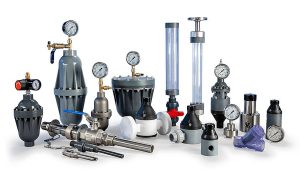
Fluid handling systems are essential to modern industry, but they inherently carry risks. The movement of liquids under pressure, often at high volumes or with corrosive properties, demands a robust and reliable safety infrastructure. While pumps, pipes, and tanks form the core of a system, many accessories provide the critical layers of protection. Among the most vital of these are pressure relief valves. These devices are not just an add-on; they are a fundamental in ensuring the longevity and integrity of your operation. Understanding the role of pressure relief valves in system safety is paramount for any plant manager, engineer, or operator.
What is a Pressure Relief Valve?
A pressure relief valve is an automatic safety device designed to protect a pressurized system from exceeding a predefined pressure limit. Unlike a back pressure valve, which actively maintains a constant pressure, a pressure relief valve remains closed during normal operation. It only activates when the system pressure climbs to a dangerous level, at which point it opens to vent the excess fluid or gas. This release of pressure brings the system back down to a safe operating range, thereby preventing a catastrophic failure. Essentially, it acts as a last line of defense against over-pressurization, a common and highly dangerous condition in fluid handling.
How Pressure Relief Valves Work to Ensure Safety
The mechanism of a pressure relief valve is surprisingly simple yet incredibly effective. It typically consists of a spring-loaded poppet or disc that is held against an inlet port. The spring’s tension is calibrated to a specific pressure setting. During normal operation, the pressure of the fluid pushing against the poppet is less than the force of the spring, so the valve remains sealed. However, if the system pressure rises and exceeds the spring’s force, the poppet lifts off its seat, creating a path for the fluid to escape. Once the pressure in the system drops back to a safe level, the spring’s force once again overcomes the fluid pressure, and the valve snaps shut. This immediate, automatic action is central to the role of pressure relief valves in system safety.
The Consequences of Neglecting Safety
Ignoring the need for pressure relief valves can have dire consequences. Over-pressurization can occur for many reasons, including a blocked line, a malfunctioning pump, or a sudden thermal expansion of the fluid. When a system becomes over-pressurized, the pipes, tanks, and other components are subjected to immense stress. This can lead to a variety of failures, from ruptured pipes and cracked fittings to equipment damage. Such failures can cause significant property damage, product loss, and, most importantly, serious injuries or fatalities to personnel. The financial and human costs of a single failure far outweigh the investment in proper safety equipment.
The Comprehensive Role of Relief Valves in System Safety
Pressure relief valves provide a robust layer of protection for both equipment and people. They protect pumps and other expensive machinery from damage that can result from operating under excessive pressure. They also safeguard storage tanks and pressure vessels from rupture. By providing a reliable way to vent excess pressure, they prevent explosions and the uncontrolled release of hazardous materials. This dual function of asset protection and personnel safety makes them an essential component of any fluid handling system. Their presence ensures that the system is resilient against unforeseen operational anomalies and mechanical failures.
For many years, Griffco Valve has been a leader in the design and manufacture of high-quality accessories that enhance the safety and performance of fluid handling systems. We understand that our customers rely on us for products that they can trust, and we engineer our pressure relief valves to meet the highest standards of reliability. Our experience across a wide range of applications has given us the insights needed to provide solutions that truly make a difference in operational integrity. Our commitment to providing unsurpassed product performance and knowledgeable customer service makes us the brand to trust for fluid handling safety.
Implementing pressure relief valves is a critical part of a comprehensive safety strategy. It is not just about meeting regulatory requirements; it is about protecting your business and your people. The initial investment in these components provides peace of mind and saves money by preventing costly downtime and equipment damage. A properly installed and maintained pressure relief valve is a silent guardian, always ready to act when needed to protect the system.
Ultimately, one should not overstate the role of pressure relief valves in system safety. They are a passive yet highly effective defense against one of the most common and dangerous hazards in fluid handling. Choose high-quality, reliable valves and incorporate them into your system’s design. By doing so, you take a proactive step toward creating a safer working environment and a more robust operation.